
Treatment of Gynecological Diseases


Treatment of gynecological diseases includes a wide range of various methods. Treatment options may vary depending on the type and stage of the disease, the patient’s general health and symptoms. Treatment of gynecological diseases often requires a multidisciplinary approach. A specialist gynecologist or obstetrician will assess the patient’s condition and determine the most appropriate treatment plan.
Treatment of Gynecological Diseases
The surgical approach to the treatment of gynecological diseases is determined by the severity of the various conditions and the general health status of the patient. Here are surgical treatments for some common gynecological diseases and examples of how these treatments are applied:
- Uterine Cancer and Hysterectomy:
- Why Surgery is Performed: When uterine cancer is diagnosed, depending on the stage of the disease, the uterus can be removed (hysterectomy).
- Surgical Approach: Surgical intervention is usually performed by removal of the uterus (total hysterectomy). In advanced stages, it may also be necessary to remove the lymph nodes.
- Fibroids and Myomectomy:
- Why Surgery is Performed: If fibroids in the uterus are causing pain, bleeding or infertility, surgery may be considered.
- Surgical Approach Myomectomy is performed to remove fibroids. This involves removing only fibroids while preserving the uterus.
- Endometriosis and Laparoscopy:
- Why Surgery is Performed: Endometriosis is a condition where intrauterine tissue grows outside the uterus. Surgery may be needed to remove these additional tissues.
- Surgical Approach: Laparoscopic surgery is a minimally invasive procedure. It is performed by inserting a camera and surgical instruments into the abdomen through small incisions or punctures.
- Ovarian Cysts and Cystectomy:
- Why Surgery is Performed: Cysts that form in the ovaries can sometimes be surgically removed depending on the pain or their size.
- Surgical Approach Cystectomy involves removal of the cyst. Laparoscopy
Treatment of Gynecological Diseases
Discover the difference!
Gynecology and Obstetrics Practice







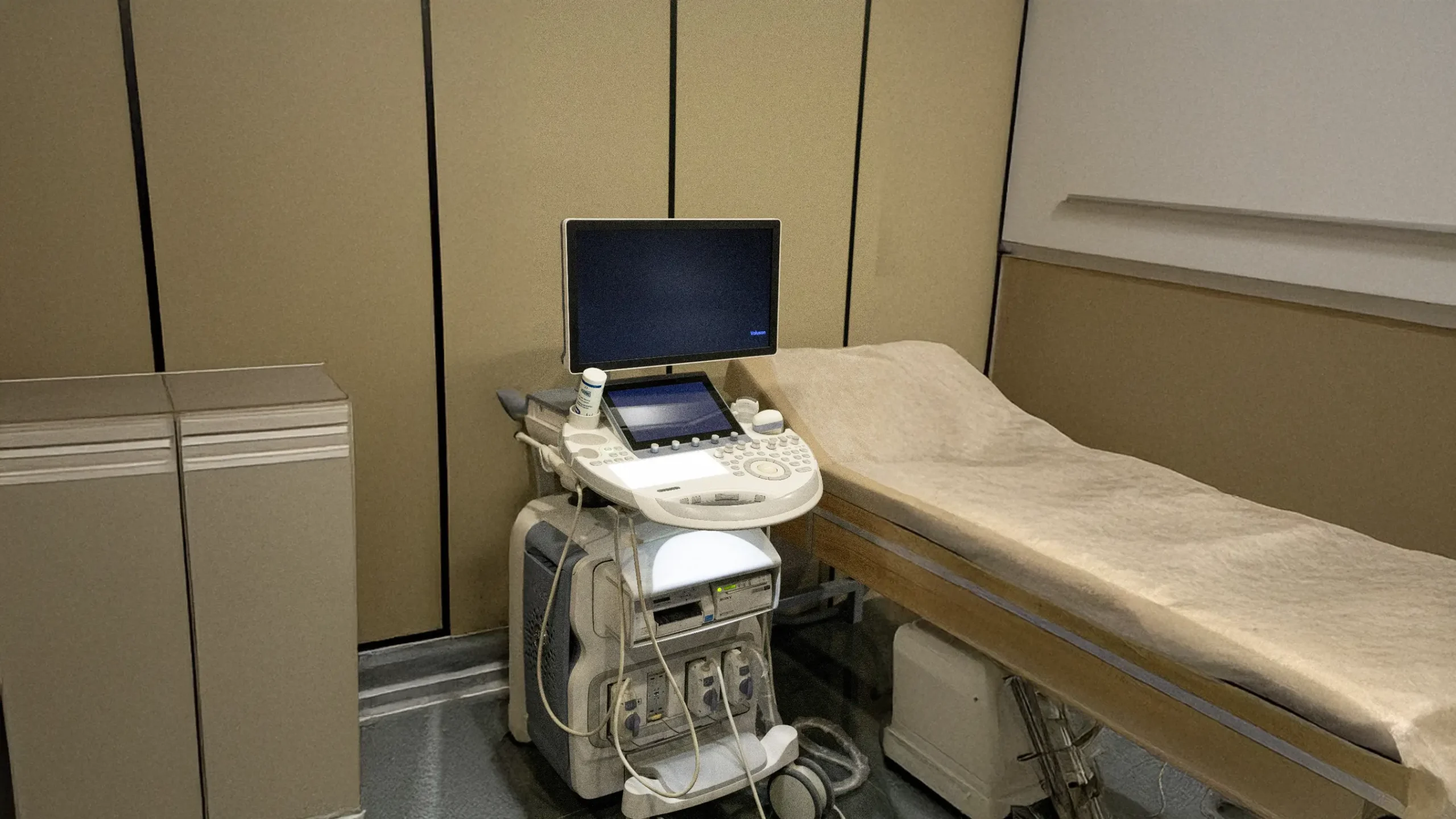






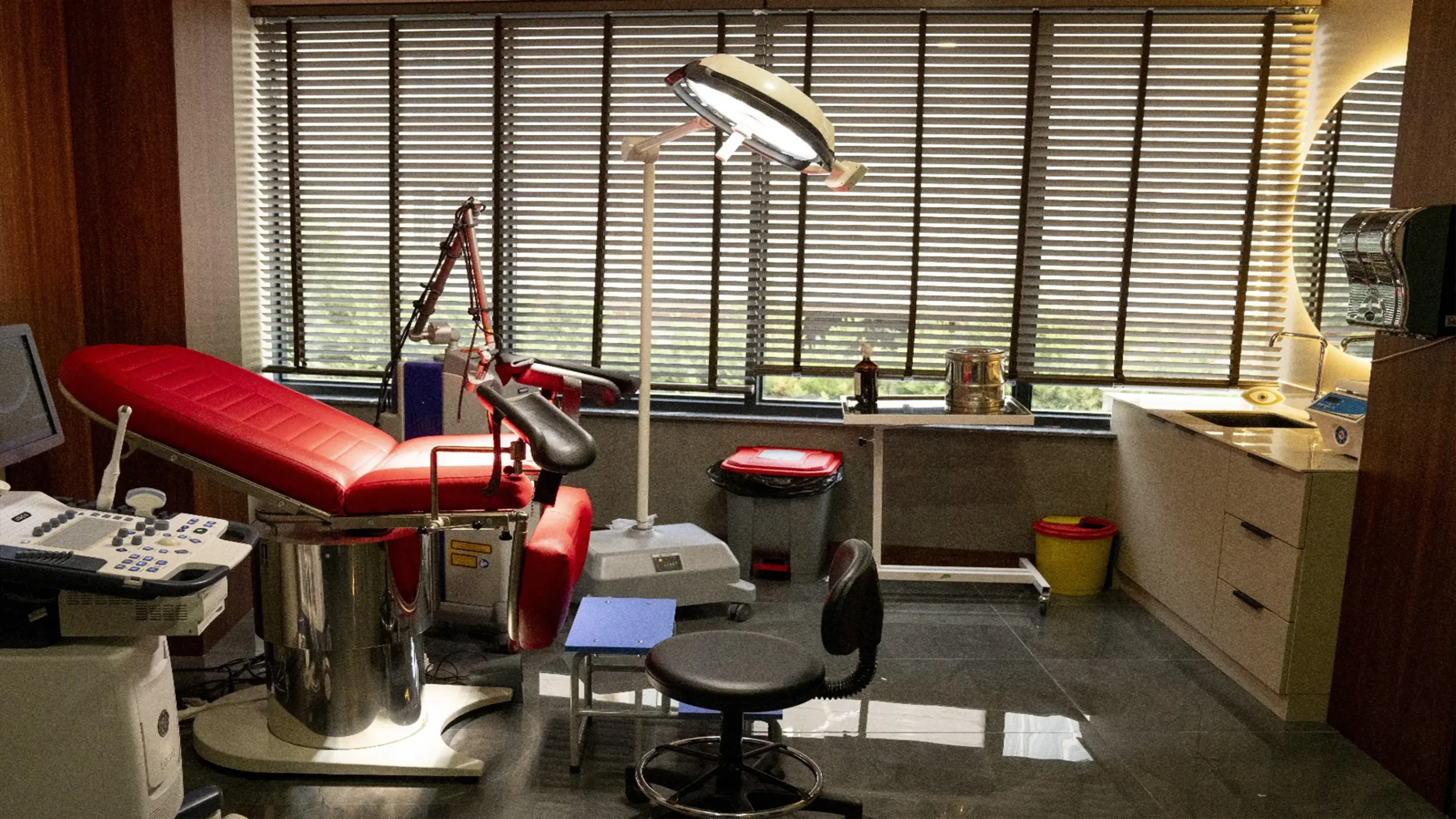

- Expert and Experienced Staff:
Op. Dr. Hakan Yaz Practice serves you with its staff specialized in the field and with years of experience. We aim to provide you with the best treatment, using our expertise and experience to find solutions to your health problems. - Individual Approach and Respect for People:
Every patient is an individual for us and has unique needs. Op. At Dr. Hakan Yaz Practice, we aim to manage your health in the best way possible by creating a customized treatment plan for you. With the principle of respect for people, we communicate with you in a sincere and warm environment. - Modern Technology and Current Approaches:
Op. Dr. Hakan Yaz Practice uses the technological opportunities offered by modern medicine in accordance with the requirements of the age. We aim to provide you with the most effective healthcare service with advanced diagnosis and treatment methods. - Safe and Comfortable Environment:
Our practice is designed not only with modern medical equipment, but also with a warm and comfortable atmosphere. We take care to ensure that you spend your health-related processes in a safe and peaceful environment. - Comprehensive range of services:
Op. Dr. Hakan Yaz Practice offers a wide range of services related to women’s health. From comprehensive women’s health examinations to gynecological surgery, from pregnancy follow-up to fertility treatments, we offer expertise in many areas. - People-Oriented Service Policy:
We have a service approach that prioritizes your health. With our people-oriented policy, we aim to support you to lead a healthy life by cooperating with you at every stage.
Your health is valuable to us and we are here to provide you with the best service.
Gynecological Diseases: Frequently Asked Questions
How often should I have a gynecological check-up?
An annual gynecological examination is recommended even without complaints. Pap smear and HPV screening are carried out at intervals based on your age and previous results.
Do fibroids always require surgery?
No. Small fibroids that cause no symptoms are monitored. Heavy bleeding, pain, pressure symptoms or difficulty conceiving are reasons to consider medication or surgery.
Are ovarian cysts dangerous?
Most cysts are functional cysts related to the menstrual cycle and disappear within a few months. Cysts that grow, persist or look suspicious on ultrasound require further evaluation and possibly surgery.
What can irregular periods indicate?
Polycystic ovary syndrome, thyroid disorders, stress, weight changes, fibroids and polyps are among the many causes. Examination, ultrasound and blood tests help identify the cause.
When does vaginal discharge need an examination?
A change in colour, smell or amount, or accompanying itching, burning or pain should be examined. Infections are treated quickly with the correct diagnosis, while self-medication can lead to recurrence.
Related pages: Gynecological Surgeries · Menopause and Osteoporosis · International Patients · Make an appointment
This information is for general guidance only and does not replace a medical examination.